
Knowing what to do when someone is choking can save a life
Would You Know What to Do If Someone Started Choking?
Last week, while on holiday in France, my husband and I were enjoying dinner at Échappée Gourmande in Aubeterre-sur-Dronne, in the Dordogne.
We had literally just ordered our starters when I became aware of a lady sitting at a table on the level above us.
Something wasn't right. She appeared to be choking, so without really thinking about it, I got up and went to help her.
She was slumped forwards in her chair, so I grabbed her, hinged her forwards and delivered five back blows between her shoulder blades, checking after each one to see whether the obstruction had cleared.
Thankfully, it did, and just like that, she could breathe again.
It all happened incredibly quickly. There was no time to stop and think about what to do, and certainly no time to look something up. I simply recognised what was happening and relied on my first aid training.
Why did I feel confident enough to step in?
I think my years as a police officer have probably hardwired me to find it quite difficult to simply stand back when I think I might be able to help. My family will certainly tell you that this isn't always their favourite aspect of my personality!
But in this situation, that instinct, combined with knowing what to do in an emergency and having the confidence to act, was incredibly valuable.
My experience working in the police taught me to assess situations quickly, remain calm when things are happening around me and think about what I could do to help.
First aid training gives you another important piece of that puzzle. It gives you the knowledge and practical skills to recognise when someone needs help and the confidence to do something about it.
First aid isn't just about having a certificate
We often think of first aid as something we might need at work, at school, on a sports field or perhaps at home.
But emergencies don't make appointments.
They happen in restaurants, on holiday, on trains, at sporting events and in supermarkets. They can happen anywhere, at any time, and often when we least expect them.
And when something does happen, there may not be a healthcare professional immediately available.
There may simply be you.
Would you know what to do?
Would you recognise that someone was choking?
Would you feel confident enough to step forward and help?
These are important questions because knowing what to do can make an enormous difference in those first few moments of an emergency.
Confidence comes from practice
One of the things I love most about delivering first aid training is seeing people's confidence grow.
Many people start a course by saying, "I'm not sure I'd know what to do" or "I'd be frightened I'd make things worse."
That's completely understandable. Emergencies can be frightening, particularly when it is someone you care about.
But confidence doesn't come from simply being handed a certificate at the end of a course. It comes from understanding what to look for, learning the correct techniques and, importantly, practising them so that you have something to draw on if you ever need it.
My experience in the police has taught me that you cannot always predict what is going to happen.
What you can do is prepare yourself to respond.
That is what good first aid training should give you.
So, would you know what to do?
My experience in France was a powerful reminder that first aid skills aren't something we only need at work or in a formal setting.
They are life skills.
You never know when the person who needs your help might be sitting at the table next to you.
And you never know when it might be you who needs the help.
If you don't feel confident about what you would do in an emergency, I'd love to help.
I deliver practical, engaging first aid training for schools, businesses, sports clubs, community groups and individuals across Oxfordshire.
If you'd like to feel more confident knowing what to do in an emergency, get in touch and let's change that.

My Private View podcast with artist Si Sapsford.
Each episode, Si interviews someone new about a branch of the arts or culture, and I was lucky enough to be one of her first guests. We talked about my career in television, my years in the police, and the lessons from serious crime investigation that I now bring into filming Hunted and Celebrity Hunted, especially in my current role as Head of Operations.
It was a rare chance to properly reflect on how those two worlds, policing and television, actually connect. The instincts you build catching people don't disappear, they just get put to work differently.
I also want to use this blog to talk about Si herself, because her talent deserves it. She is one of those rare creatives whose work translates across mediums, portraits, ceramics, mechanical structures, and more. Watching someone move that fluidly between disciplines, and bring the same eye and curiosity to each one, is genuinely inspiring.
At the end of every episode, Si asks her guest to talk about a book that holds real significance for them, or simply one they would recommend. I chose The Child in Time by Ian McEwan, a book I studied for GCSE. It carries so many themes, but at its heart, it is really about how one unguarded moment can change everything. On reflection, that is exactly where my interest in safeguarding comes from, that understanding of how quickly ordinary life can turn, and how much of keeping people safe comes down to noticing the moment before it happens.
My Private View is a podcast worth your time if you're interested in the arts, culture, or simply hearing people talk honestly about the work they do.
Go give it a listen, and do follow Si on Instagram , her talent is extraordinary https://lnkd.in/emjBifQc .
Don't forget to take a peek at her website too https://www.sisapsford.com
Link to the podcast below.

When “Getting Home Safely” Isn’t Guaranteed
Yesterday evening, after attending the screening of the first episode of Celebrity Hunted in London, I boarded a late train from Paddington. Like everyone else, I was tired and just wanted to get home.
Sitting in front of me was a young woman, early twenties, asking two other women if they would sit with her. She explained that a man opposite her had been harassing her. I listened and observed. The man, in his fifties and clearly very drunk, kept trying to involve himself in their conversation before eventually falling asleep. I heard her say how relieved she felt.
But that relief didn’t last.
As we approached Slough, she mentioned it was his stop and he needed to wake up. I stepped in to help, trying to get him off the train quickly. He was disoriented and too intoxicated to respond properly, and waking him only redirected his attention back towards her so he missed the stop.
We all ended up getting off at Maidenhead.
At that point, instinct and experience took over. I guided him off the train and away from her, with another passenger stepping in to help. Together, we moved him down the platform and out of her space.
Situation managed.
I wasn’t frightened of him. After 26 years in policing, I’ve encountered many like him. But that’s not the point.
He wasn’t a threat to me.
He was a threat to her.
What stayed with me was the contrast. On one hand, strangers quietly came together to support her, the women who immediately included her, the man who instinctively helped. On the other, the reality that she had to ask for that help at all.
This is still a common experience for too many women: calculating risk, staying alert, managing fear, just to get home.
It shouldn’t be this way.
We should all feel safe getting home
Open Water Safety: What Every Family Should Know This Summer
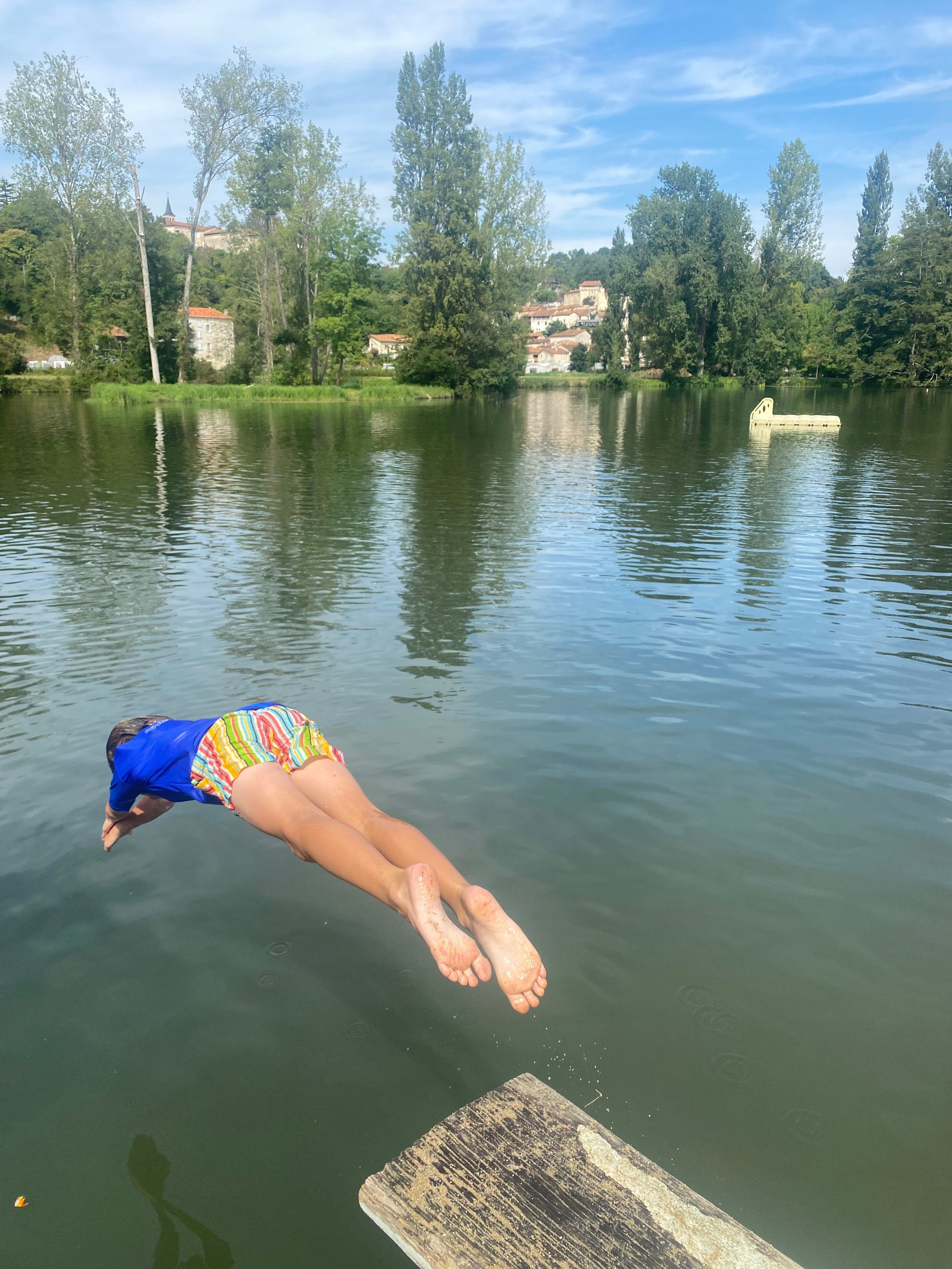
With the school holidays here and temperatures rising, more families will be heading to rivers, lakes, quarries and the coast. As a Swim England Qualified Instructor, NUCO First Aid Instructor and former police detective, I've spent this week delivering water safety talks to primary schools across the Thames Valley. The core message is simple: open water is not a swimming pool, and knowing the difference can save a life.
Why Is Open Water More Dangerous Than a Pool?
Open water lacks the controls of a pool. There are no lifeguards, no consistent depth, and no clear visibility. The main risks are:
1. Cold water shock. Even on a hot day, water below the surface can be cold enough to trigger gasping and panic, overwhelming even strong swimmers.
2. Hidden hazards. Submerged branches, debris and sudden drop-offs are invisible from the bank.
3. Currents. Rivers and tidal water pull harder than they look. Calm on the surface doesn't mean safe underneath.
4. No supervision. Most inland water in the UK is unsupervised, so help isn't seconds away.
5. Faster exhaustion. Open water swimming burns far more energy than pool swimming.
What Should You Do If You Fall In Unexpectedly?
Fight the urge to swim hard. That instinct is what leads to drowning. Instead, remember Float to Live:
1. Lean back, ears down, and relax.
2. Push your stomach up, extend your arms and legs.
3. Let your legs sink if they need to. Everyone floats differently.
4. Float until your breathing settles, then swim to safety or call for help.
Cold water shock usually passes in 60 to 90 seconds. Floating buys you that time, and it's teachable to children as young as seven.
What Should You Do If You See Someone in Trouble?
Don't get in the water yourself. That's how one person in difficulty becomes two. Instead, remember Call, Tell, Throw:
1. Call 999. Ask for Fire and Rescue for inland water, or the Coastguard for coastal water. Share your exact location; what3words helps here.
2. Tell them to float, not swim, if you can shout to them.
3. Throw something that floats, such as a ring, bottle, bag or branch, rather than entering the water yourself.
Even confident adult swimmers regularly drown attempting rescues, overwhelmed by cold or a panicking casualty.
Are Parents Really Supervising Their Children at the Beach?
Too often, not closely enough. Watching your children means eyes on them, continuously, not sitting nearby with a phone in hand. Drowning is usually silent, with no splashing or shouting, and it can happen in the time it takes to read one message.
Golden rules
1. One adult actively supervising at all times. Agree who, and for how long.
2. Put the phone down, or hand over supervision first.
3. Get in the water with young or inexperienced swimmers. Watching from the sand isn't close enough.
4. Set a clear physical boundary, such as a flag, rock or landmark, before children get in.
5. Do regular headcounts, not just when it's time to leave.
This isn't about frightening anyone off a good day out. It's about the same principle behind everything I teach: a small amount of awareness prevents almost all of these incidents.
Quick Holiday Checklist
1. Supervise children near water at all times, even in shallow or familiar spots.
2. Check warning flags and signs before entering the water.
3. Acclimatise gradually rather than jumping straight in.
4. Avoid alcohol around open water. It impairs judgement more than people realise.
5. Don't assume a spot is the same as last time; rain, tides and debris change conditions.
Why This Matters
Most open water deaths in the UK happen to people who never intended to get wet. They slipped, were pulled in by a dog or ball, or tried to help someone else. Nearly all of these are preventable with the right knowledge and instinct.
About the Author
Georgina Bradley is the founder of GB Prestige Coaching & Training, offering private swim coaching, first aid training, and safeguarding and educational talks across Henley-on-Thames and the wider Thames Valley. A Swim England Qualified Instructor and NUCO First Aid Instructor with over 20 years of policing experience, including two High Sheriff's Awards for Outstanding Performance. Where Expertise Is Non-Negotiable.
If your school, club or organisation would like a water safety or first aid talk this summer, get in touch to book a session.
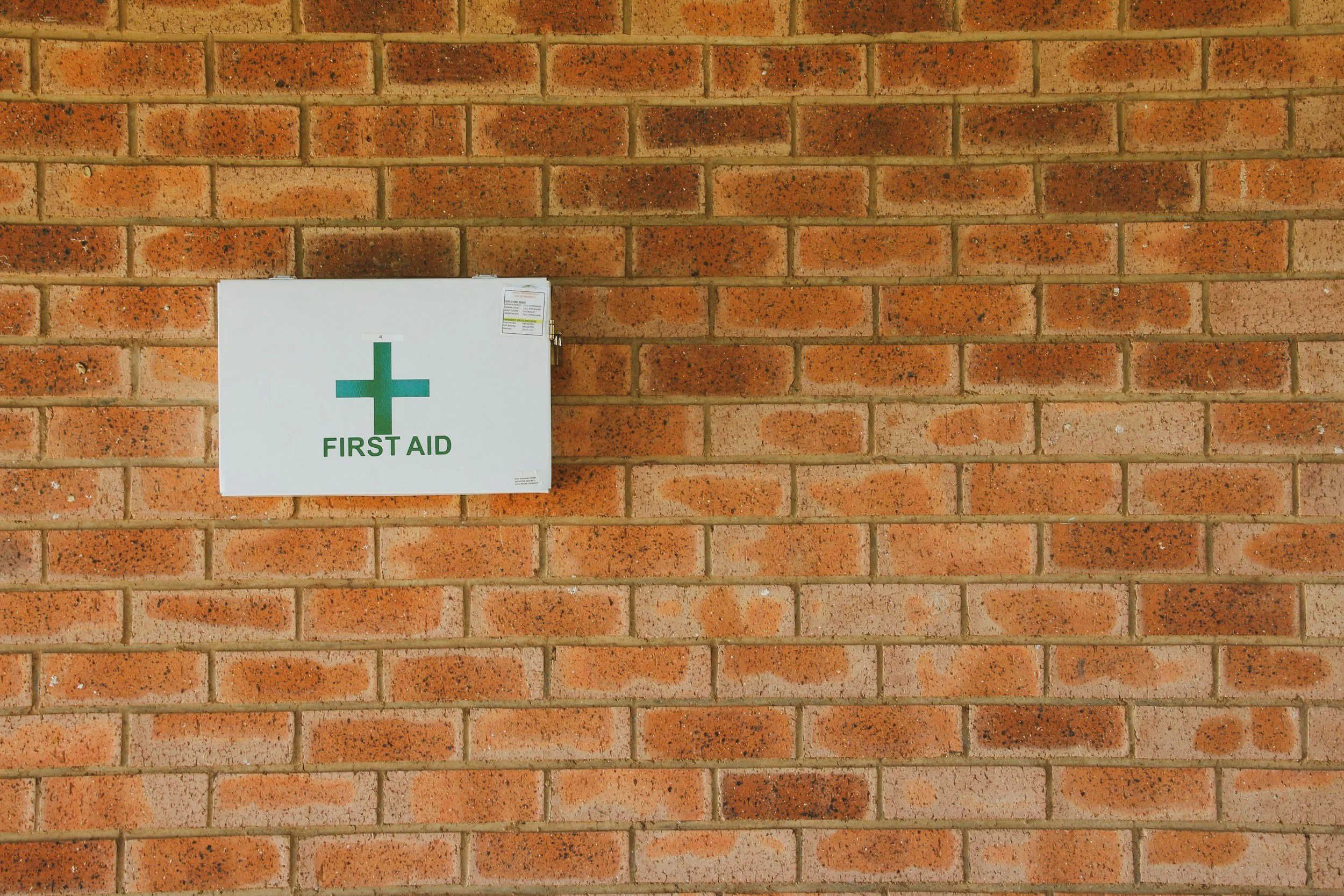
Why Is Basic First Aid Important? A Real-Life Lesson from a Swimming Pool
Accidents can happen anywhere, often when we least expect them. Whether it's a child falling in the playground, a cut in the kitchen or a trip on the way to a swimming lesson, knowing basic first aid can make a real difference.
First aid isn't about replacing healthcare professionals. It's about providing immediate care, preventing further harm and recognising when someone needs medical attention. Having the confidence to act calmly during those first few minutes can make all the difference.
As a first aid instructor, I teach these skills every week, but it's often real-life experiences that reinforce just how valuable they are. One recent incident at a swimming pool is a perfect example.
A Simple Accident That Needed Immediate Action
An eight-year-old boy arrived for his swimming lesson full of excitement. As he ran from his mum's car towards the entrance, he slipped on the gravel in the car park and landed heavily on his knee.
By the time he reached the pool area, he was upset, in pain and bleeding heavily. His mum, understandably concerned, brought him to a safe area where his injury could be assessed.
When I assessed the injury, it was clear this was more than a simple graze. The cut was deep and contaminated with dirt and small pieces of gravel.
Although it began as a simple fall, the injury required prompt first aid and further medical assessment.
What Should You Do If a Child Has a Deep Cut?
The first priority is to stay calm. Children often take their emotional cues from the adults around them, so reassurance is just as important as treating the injury.
If the wound is bleeding, apply firm, direct pressure using a sterile dressing or a clean cloth. Once the bleeding is controlled, cover the wound to help protect it from further contamination.
In this case, I collected the first aid kit, applied a sterile dressing with firm pressure and monitored the child while reassuring him throughout.
Knowing When Medical Attention Is Needed
Not every cut requires hospital treatment, but some injuries should always be assessed by a healthcare professional.
Because this wound was deep, over the knee joint and contaminated with gravel, I advised the child's mum to seek further medical assessment. A healthcare professional could properly clean the wound, check for damage beneath the surface and decide whether additional treatment was needed.
You should seek medical advice if a wound:
Is deep or won't stop bleeding.
Contains dirt, gravel or other debris.
Is over a joint.
Shows signs of infection, such as redness, swelling or pus.
Knowing when to seek further help is an important part of first aid.
Why Should Every Parent Should Learn Basic First Aid
Children are naturally active, and accidents are part of growing up. While many injuries are minor, parents and carers often have only a few moments to decide what to do.
Learning basic first aid provides the confidence to respond calmly and appropriately while recognising when professional medical care is needed.
Keeping a well-stocked first aid kit at home and in the car is another simple way to be prepared for everyday accidents.
Final Thoughts
This incident began with a simple slip in a car park but quickly became a reminder of why first aid knowledge matters.
By assessing the injury, controlling the bleeding and recognising that the wound required further medical attention, the child received the right care without unnecessary delay.
You don't need to be a healthcare professional to make a difference. Whether you're a parent, grandparent, teacher, coach or simply someone who wants to be prepared, learning basic first aid gives you the confidence to help when it matters most.
Accidents can't always be prevented, but being prepared can make all the difference. A few minutes of first aid knowledge could have a lasting impact on someone's life.

Can Exercising in the Heat Be Dangerous? A First Aid Instructor Explains
Warm weather encourages many of us to be more active, but exercising in high temperatures can increase the risk of heat-related illness. As a first aid instructor, I often remind people that emergencies don't just happen in dramatic situations. They can occur during an ordinary gym session if the conditions are right.
Recently, I witnessed an incident that highlights why it's so important to recognise the warning signs and know how to respond.
What Happened During This Gym Session?
A teenage girl was taking part in a personal training session in a very warm gym during the middle of the day. The workout involved weightlifting, and part way through the session she suddenly became very pale. She struggled to hear what people were saying and was unable to speak. It was later discovered that she hadn't eaten anything before exercising.
Many people might assume she had simply fainted. However, becoming unwell during exercise should never be dismissed, particularly in hot conditions. Although only a healthcare professional can determine the exact cause, her symptoms highlighted how heat, dehydration and poor nutrition can combine to overwhelm the body.
Why Is It Risky to Exercise Without Eating?
One of the most common questions people ask is whether it's safe to work out on an empty stomach.
While some people choose to exercise before eating, intense activities such as weight training require the body to use a significant amount of energy. Without enough fuel, the body may struggle to cope with the added demands of heat and physical exertion.
Sweating also causes the loss of water and essential salts. If these aren't replaced, the risk of dehydration and heat-related illness increases. When several risk factors occur together—such as exercising in a hot environment, skipping meals and not drinking enough—the likelihood of becoming seriously unwell rises considerably.
What Is the Difference Between Heat Exhaustion and Heatstroke?
Understanding the difference between these two conditions could save a life.
Heat exhaustion occurs when the body loses too much water and salt through sweating. Symptoms often include heavy sweating, pale clammy skin, dizziness, headache, muscle cramps, nausea and weakness.
Most people recover if they stop exercising, move to a cool place, rest, cool down with damp towels or cool packs, and drink water or an electrolyte drink if they are fully conscious and able to swallow safely.
Heatstroke, however, is a medical emergency. It happens when the body can no longer regulate its temperature.
Warning signs include confusion, difficulty speaking, altered behaviour, seizures, loss of consciousness or a very high body temperature. If heatstroke is suspected, call 999 immediately and begin cooling the person while waiting for emergency medical help.
What First Aid Should You Give?
In the incident I witnessed, the immediate priority was to reduce the stress on her body and support her recovery.
Exercise was stopped immediately, and she was helped to lie flat because she appeared faint. Her legs were elevated to improve circulation, while cool, damp flannels were placed on her forehead and neck to help lower her body temperature.
As she remained conscious and could swallow safely, she was given water containing electrolytes to replace fluids and salts lost through sweating. She was monitored closely throughout.
These actions are appropriate first aid for someone showing signs of heat exhaustion or a fainting episode. However, if symptoms worsen, neurological symptoms continue or the person becomes less responsive, emergency medical assistance should be sought without delay.
How Can You Prevent Heat-Related Illness?
Fortunately, many cases can be prevented with a few simple precautions:
Eat a balanced meal or snack before exercising.
Start your workout well hydrated.
Drink fluids regularly throughout your session.
Replace electrolytes after prolonged or intense exercise if you're sweating heavily.
Wear lightweight, breathable clothing.
Avoid exercising during the hottest part of the day where possible.
Reduce the intensity of your workout during periods of extreme heat.
Stop immediately if you feel dizzy, faint or unwell.
Listening to your body is one of the most effective ways to stay safe.
What Should Parents and Fitness Professionals Know?
Teenagers and young adults can be particularly vulnerable because they may skip meals, underestimate the effects of heat or push themselves harder than they should.
Parents should encourage young people to eat before training, stay hydrated and recognise that stopping because they feel unwell is the sensible choice.
Personal trainers and gym staff also have an important role. Asking simple questions such as, "Have you eaten today?" and "Have you had enough to drink?" may identify someone who is at greater risk before a session even begins.
Creating an environment where clients feel comfortable saying they don't feel well is equally important. No workout is worth risking someone's health.
Final Thoughts
This incident was a powerful reminder that exercise should improve our health, not compromise it. Heat, dehydration and inadequate nutrition can quickly turn an ordinary workout into a medical emergency.
Whether you're a first aider, fitness professional, parent or someone who enjoys exercising, recognising the warning signs and responding promptly can make all the difference.
The first few minutes matter. Stopping the activity, helping the person rest, cooling them appropriately and monitoring their condition may prevent a more serious outcome.
Most importantly, never ignore symptoms such as confusion, difficulty speaking or altered consciousness during or after exercise. These are not normal responses to exercise and should always be treated as a medical emergency.
Looking after your body starts long before you begin your workout. Eat well, stay hydrated, respect the heat and know when it's time to stop. Staying safe is just as important as staying fit.